


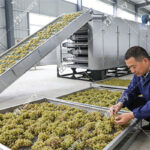
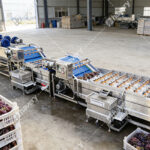
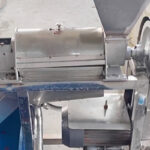
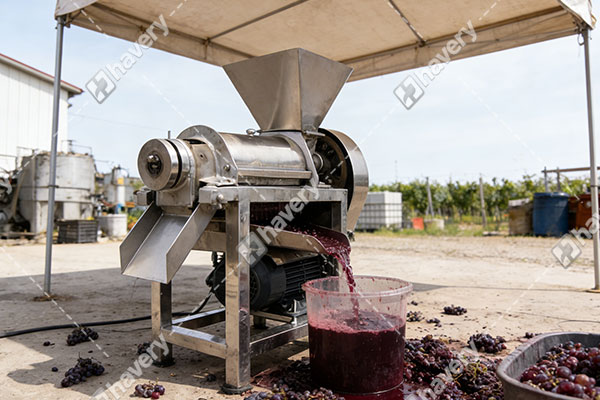

Grape juice is one of the most popular fruit beverages in the global market due to its rich flavor, natural sweetness, and high nutritional value. In industrial production, grape juice must be processed efficiently while maintaining freshness and nutritional quality. This is where a professional grape juice machine plays a critical role. A modern grape juice machine helps factories process large volumes of grapes quickly while ensuring hygiene, consistency, and high juice yield.
In this article, we will explain how grape juice is produced in a factory and how different types of equipment, especially the grape juice machine, contribute to an efficient grape juice production line.
1. Raw Material Selection and Cleaning
High-quality grape juice production always begins with selecting fresh and ripe grapes. Grapes used for juice processing should have good sugar content, balanced acidity, and no signs of decay.
After harvesting, grapes are transported to the processing facility where they must be thoroughly cleaned. Dust, leaves, stems, and pesticide residues need to be removed to guarantee food safety.
Factories typically use fruit washing equipment before feeding grapes into the grape juice machine. Clean grapes ensure the grape juice machine can operate efficiently and prevent contamination during processing.
2. Destemming and Crushing
Before extracting juice, grapes must first be separated from their stems. Stems contain tannins that can negatively affect the taste of juice if processed together.
A destemming and crushing unit is usually connected before the grape juice machine. This equipment gently crushes grapes and releases the pulp while maintaining the natural flavor of the fruit. Once crushed, the grape mash becomes easier for the grape juice machine to extract juice efficiently.
This step also increases juice yield and ensures the grape juice machine can work continuously in large-scale production.
3. Juice Extraction Process
The most important step in industrial grape juice production is juice extraction. At this stage, the crushed grapes are fed directly into the grape juice machine.
A high-efficiency grape juice machine uses mechanical pressing or screw extrusion technology to separate juice from skins and seeds. The machine applies controlled pressure so that maximum juice is extracted without damaging the natural flavor.
Modern grape juice machine designs often include stainless steel construction, automatic feeding systems, and adjustable pressure controls. These features help factories improve juice yield while maintaining hygienic processing standards.
With the help of an advanced grape juice machine, factories can process hundreds or even thousands of kilograms of grapes per hour.
4. Filtration and Clarification
After extraction, raw grape juice may contain pulp particles, seeds, or fine solids. Therefore, filtration and clarification are necessary.
Industrial filtration systems are usually installed after the grape juice machine to remove suspended solids and improve the clarity of the juice. Some factories also use enzymatic treatment or settling tanks to further refine the juice.
This step ensures that the final product is visually appealing and has a smooth texture before pasteurization and packaging.
5. Pasteurization and Sterilization
Fresh grape juice is highly nutritious but can also be prone to microbial growth. To extend shelf life and maintain food safety, pasteurization is required.
The filtered juice is heated to a controlled temperature for a short time to eliminate harmful microorganisms. After pasteurization, the juice is quickly cooled to preserve flavor and nutritional content.
Although pasteurization occurs after extraction, the efficiency of the grape juice machine still influences the quality of juice entering this stage. A high-quality grape juice machine helps maintain consistent juice composition, which improves pasteurization results.
6. Filling and Packaging
Once pasteurized, the grape juice is ready for filling and packaging. Automated liquid filling machines are used to fill bottles, cans, or cartons with precise volumes of juice.
Packaging plays an important role in maintaining freshness and extending shelf life. Modern beverage factories often integrate filling, capping, labeling, and packaging systems into a fully automated production line connected with the grape juice machine.
Industrial Grape Juice Machine Advantages
Using a professional grape juice machine provides several benefits for grape juice manufacturers:
- High juice extraction efficiency
- Large processing capacity for factory production
- Stainless steel food-grade construction
- Easy cleaning and maintenance
- Stable and continuous operation
Because of these advantages, investing in a reliable grape juice machine is essential for building an efficient grape juice processing plant.
Conclusion
Industrial grape juice production involves several key steps, including grape cleaning, destemming, crushing, juice extraction, filtration, pasteurization, and packaging. Among all these stages, the grape juice machine is the core equipment that determines juice yield, processing efficiency, and product quality.
For factories planning to start or upgrade grape juice production, choosing the right grape juice machine can significantly improve productivity and ensure consistent juice quality. With modern processing technology and automated equipment, large-scale grape juice manufacturing has become more efficient, hygienic, and profitable than ever before.