



Drying grapes is an essential process in the fruit processing industry, especially for producing raisins and other dried grape products. Traditionally, grapes were dried under the sun, but this method is highly dependent on weather conditions and often leads to inconsistent product quality. Today, many factories use a professional grape fruit dryer based on hot air drying technology to achieve faster and more controlled dehydration.
A modern grape fruit dryer uses circulating hot air to remove moisture from fresh grapes in a hygienic and energy-efficient environment. With precise temperature and airflow control, the grape fruit dryer helps maintain the natural sweetness, color, and nutritional value of grapes while significantly improving production efficiency.
In this article, we will explain how a hot air grape fruit dryer works and how it is used in industrial grape drying operations.
Preparation of Grapes Before Drying
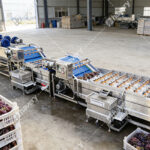
Before grapes enter the grape fruit dryer, proper preparation is necessary to ensure high-quality drying results. Fresh grapes should first be sorted to remove damaged, moldy, or unripe fruits. Selecting high-quality raw materials directly affects the final quality of dried grapes.
After sorting, the grapes are washed thoroughly to remove dust, pesticides, and other impurities. Clean grapes allow the grape fruit dryer to operate under sanitary conditions and help produce safe food products.
In many raisin processing factories, grapes may also go through a pretreatment step. For example, dipping grapes in a mild alkaline solution can help break the natural wax layer on the skin. This allows moisture to evaporate faster when the grapes are placed inside the grape fruit dryer, improving drying efficiency.
Loading Grapes Into the Dryer
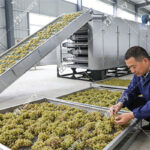
Once prepared, the grapes are evenly spread on trays or mesh belts inside the grape fruit dryer. Proper distribution is important because it ensures that hot air can circulate around every grape during the drying process.
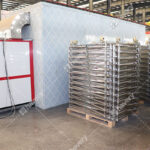
Industrial hot air grape fruit dryer equipment usually adopts a multi-layer tray structure or continuous mesh belt design. These designs allow factories to load a large quantity of grapes at one time while maintaining uniform airflow.
When the grapes are properly arranged, the grape fruit dryer begins its controlled drying cycle.
Hot Air Circulation Drying Principle
The core working principle of a grape fruit dryer is hot air circulation. Inside the drying chamber, a heating system generates hot air, which is then distributed by high-efficiency fans.
The heated air flows evenly across the grapes and absorbs moisture from their surface. As the grapes lose water, the grape fruit dryer continuously removes the humid air and replaces it with fresh heated air. This constant air circulation gradually reduces the moisture content of the grapes.
Because the grape fruit dryer maintains stable airflow and temperature, grapes dry evenly without overheating or burning. This method helps preserve the natural color and flavor of the fruit.
Temperature and Humidity Control
One of the biggest advantages of a modern grape fruit dryer is the ability to precisely control temperature and humidity during the drying process.
At the initial stage, the grape fruit dryer typically uses moderate temperatures to prevent the grape skin from hardening too quickly. If the outer skin dries too fast, moisture inside the grape cannot escape efficiently.
As drying continues, the grape fruit dryer gradually increases temperature and reduces humidity levels to accelerate water evaporation. This staged drying method ensures that the grapes dry evenly from the inside out.
With advanced control systems, operators can easily adjust drying parameters according to different grape varieties and processing requirements.
Continuous Drying in Industrial Production
For large-scale processing plants, continuous drying systems are commonly used. In a continuous grape fruit dryer, grapes move slowly through different temperature zones on a conveyor belt.
Each zone of the grape fruit dryer may have different airflow speeds and temperatures. This gradual drying process improves energy efficiency and ensures consistent product quality.
Continuous drying systems allow factories to run the grape fruit dryer for long production cycles, making them ideal for commercial raisin manufacturing.
Cooling and Product Collection
After reaching the desired moisture level, the dried grapes exit the grape fruit dryer and enter the cooling stage. Cooling helps stabilize the product and prevents moisture condensation during packaging.
Once cooled, the raisins can be transferred to grading, packaging, or storage systems. Because the grape fruit dryer controls the drying environment carefully, the final product usually has uniform moisture content, attractive color, and long shelf life.
Hot Air Grape Fruit Dryer Advantages
Compared with traditional sun drying methods, a modern grape fruit dryer offers several advantages for fruit processing factories:
Stable drying conditions
The grape fruit dryer provides controlled temperature and airflow, ensuring consistent drying quality.
Shorter drying time
Using hot air circulation, the grape fruit dryer significantly reduces drying time compared with natural drying.
Improved food safety
A closed drying chamber protects grapes from dust, insects, and environmental contamination.
Higher production efficiency
Large-capacity grape fruit dryer equipment allows factories to process large quantities of grapes continuously.
Conclusion
A hot air grape fruit dryer is an essential piece of equipment for modern grape processing plants. By using controlled hot air circulation, the grape fruit dryer efficiently removes moisture from fresh grapes while preserving their flavor, color, and nutritional value.
For raisin producers and fruit processing companies, investing in a high-quality grape fruit dryer can greatly improve production efficiency and product consistency. With advanced drying technology, factories can produce high-quality dried grapes regardless of weather conditions, making the grape fruit dryer a reliable solution for commercial grape drying operations.