


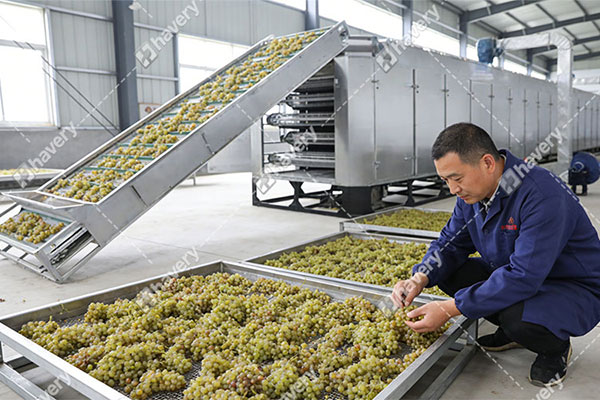

The Dry Fruits Grapes Making Process is an important stage in fruit processing, especially for producing high-quality raisins. Fresh grapes contain a high level of moisture, typically around 75–80%, which makes them highly perishable if not processed properly. To extend shelf life and preserve the natural sweetness of grapes, the drying process is widely used. Today, many fruit processors rely on a grape drying machine to achieve efficient and hygienic dehydration compared with traditional sun drying methods.
This article explains the complete Dry Fruits Grapes Making Process, from raw grape selection to the final dried product, and highlights how a modern grape drying machine improves efficiency and product quality.
1. Selection of Fresh Grapes
The first step in the Dry Fruits Grapes Making Process is selecting suitable grapes. Grapes used for drying should be mature, sweet, and free from physical damage or disease. Varieties with higher sugar content and thinner skins are often preferred because they produce better quality raisins.
In commercial production, grapes are carefully sorted to remove damaged or unripe fruit. Proper selection ensures that the drying process will produce uniform and high-quality dried grapes.
2. Washing and Cleaning
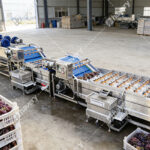
Before drying begins, grapes must be thoroughly washed to remove dust, pesticide residues, and other impurities. Industrial fruit washing systems are often used to gently clean the grapes while protecting their delicate skins.
After washing, the grapes usually pass through a de-watering or air-drying stage to remove surface moisture. This preparation step helps improve the efficiency of the grape drying machine, allowing the drying process to begin more quickly and evenly.
3. Pre-Treatment of Grapes
In some cases, grapes are treated with special solutions before drying. This step helps break down the waxy layer on the grape skin and allows moisture to escape more easily during dehydration.
Pretreatment can significantly shorten the drying time when using a grape drying machine. It also improves the color and texture of the final dried grapes.
4. Drying Process Using a Grape Drying Machine
The most critical step in the Dry Fruits Grapes Making Process is dehydration. Traditional sun drying methods are still used in some regions, but they are slow and heavily affected by weather conditions. Modern fruit processing plants prefer using a grape drying machine because it provides better control over temperature, airflow, and drying time.
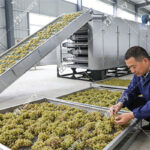
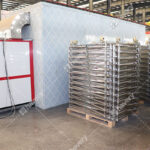
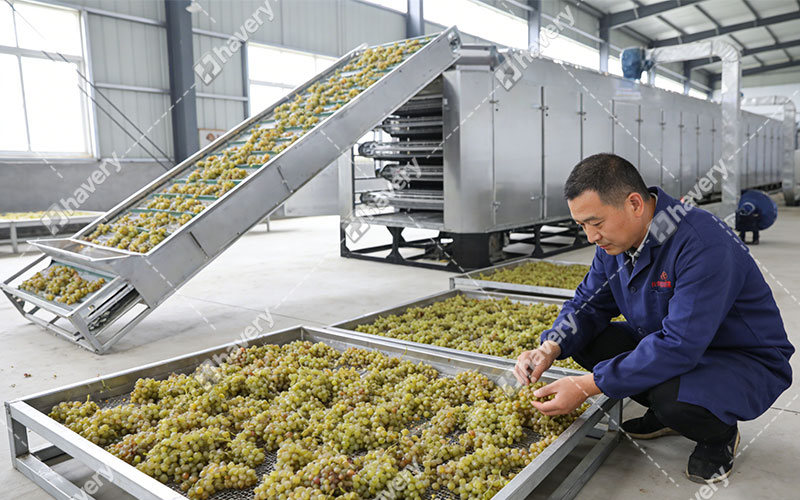
In a typical grape drying machine, grapes are placed on mesh belts inside a drying chamber. Hot air circulates evenly throughout the chamber, gradually removing moisture from the grapes. The airflow system ensures that all grapes receive uniform heat distribution.
Using a grape drying machine offers several advantages. It reduces drying time, prevents contamination from dust or insects, and ensures consistent product quality. The controlled environment also helps maintain the natural color and sweetness of the grapes.
5. Moisture Control and Quality Monitoring
During the drying stage, it is important to monitor the moisture level of the grapes. The goal is to reduce the moisture content to around 15–18%, which is ideal for producing raisins with a long shelf life.
A modern grape drying machine allows operators to adjust temperature, airflow, and drying duration according to the grape variety and desired final product. This precise control ensures consistent drying results and prevents over-drying or uneven dehydration.
6. Cooling and Conditioning
After drying is completed, the grapes must be cooled before packaging. Cooling helps stabilize the product and prevents condensation, which could otherwise affect the quality of the dried grapes.
Many processing lines integrate cooling conveyors after the grape drying machine. This allows the dried grapes to gradually return to room temperature while maintaining their texture and appearance.
7. Sorting and Packaging
Once cooled, the dried grapes are sorted again to remove any defective pieces. They may also be graded according to size, color, or quality.
The final product is then packaged in sealed bags or containers to protect it from moisture and contamination. At this stage, the grapes have successfully completed the Dry Fruits Grapes Making Process and are ready for distribution to markets around the world.
Why Use a Grape Drying Machine for Raisin Production?
Modern fruit processors prefer using a grape drying machine because it offers several key advantages:
- Faster drying compared with traditional sun drying
- Stable temperature and airflow control
- Improved hygiene and food safety
- Consistent drying quality
- Higher production capacity for commercial operations
With these benefits, the grape drying machine has become essential equipment for large-scale raisin production.
Conclusion
The Dry Fruits Grapes Making Process involves several important steps, including grape selection, washing, pretreatment, drying, cooling, and packaging. Among these stages, the drying step plays the most critical role in determining the final quality of raisins.
Using a modern grape drying machine allows processors to achieve efficient, hygienic, and uniform drying results. It not only improves production efficiency but also helps preserve the natural flavor, color, and nutritional value of grapes.
If you are planning to start a grape processing project or upgrade your raisin production line, choosing a reliable grape drying machine is a key investment. Feel free to contact us or leave a message online to learn more about our professional grape drying solutions and equipment specifications.